

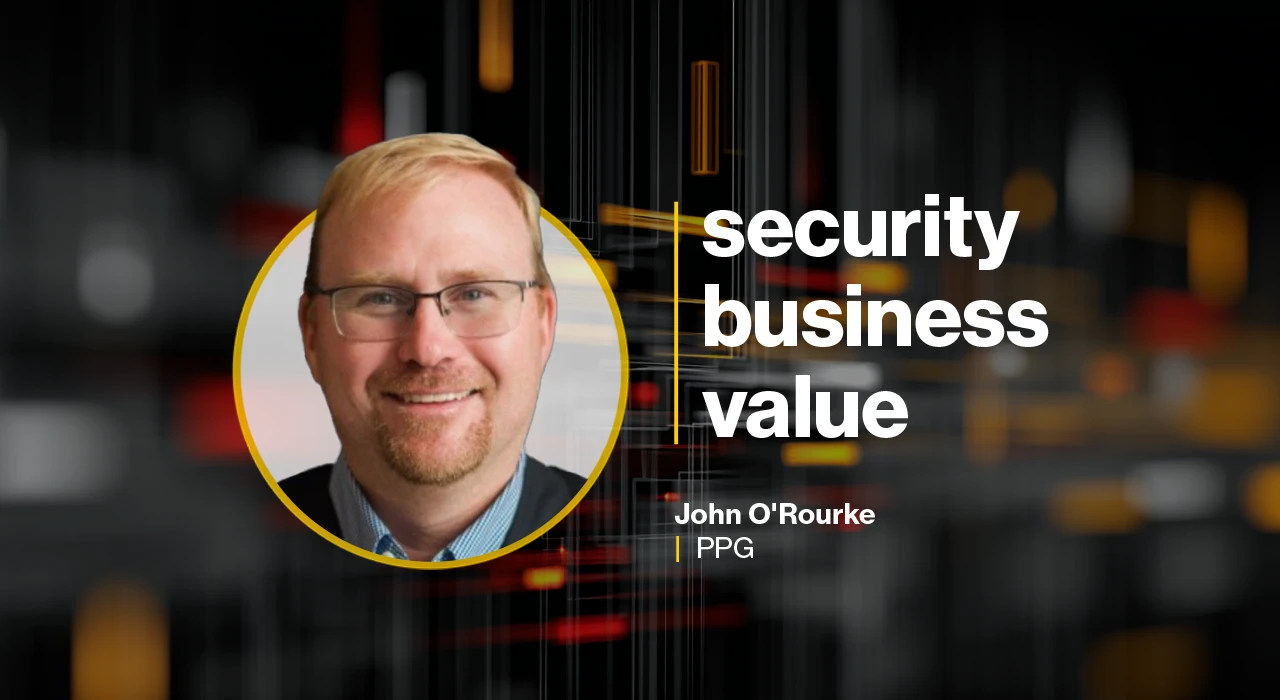
In an insightful interview, a prominent Chief Information Security Officer (CISO) shares perspectives on the crucial role cybersecurity plays in enhancing business value. The discussion centers on how mature security programs can significantly reduce friction in sales cycles and mergers and acquisitions (M&A), ultimately fostering trust over time.
The CISO elaborates on the concept of 'security as a revenue enabler' and cautions against treating it as merely a buzzword. The key takeaway is that a measurable version of this idea involves tracking how security initiatives can streamline processes like due diligence in M&A or accelerate sales cycles. For instance, by establishing a robust cybersecurity framework, the organization has managed to create a repeatable integration process that minimizes risk during acquisitions.
Furthermore, a mature cybersecurity program enhances operational efficiency through standardized documentation and processes. This leads to quicker resolution of issues and fewer delays in closing deals. Companies are encouraged to compare their practices against established frameworks such as the National Institute of Standards and Technology (NIST) and certifications from organizations like the International Standards Organization (ISO) and Systems and Organizations Controls (SOC2).
Interestingly, while security investments do not directly generate revenue, they play a vital role in preventing revenue loss due to security incidents. The CISO highlights several initiatives at their organization, such as automated onboarding processes and improved identity management systems, that reduce friction and support business objectives.
When discussing the concept of trust, the CISO acknowledges that it cannot be quantified easily in financial terms. However, translating specific security events into potential financial losses can help in understanding the ROI of cybersecurity efforts. The ultimate goal is to minimize disruptions that could tarnish a company’s reputation and erode customer trust.
The evolving sophistication of buyers in the security landscape is another crucial topic. The CISO notes that security vendors continuously innovate and rebrand, making it essential for companies to rigorously evaluate their technology investments. Additionally, customers are increasingly interested in assessing suppliers' cybersecurity governance, as extensive security questionnaires are now commonplace.
PPG, the organization represented by the CISO, is dedicated to protecting its supply chain, which necessitates a keen interest in the cybersecurity posture of its vendors. While the growing awareness of cybersecurity is a positive trend, there is a call for standardization in program assessments to ensure effectiveness and reliability.
Reflecting on lessons from highly regulated industries such as fintech and healthtech, the CISO notes that these sectors often have stringent requirements that lead to the implementation of foundational security controls. In contrast, less-regulated industries frequently defer security investments until after achieving revenue growth, resulting in fragile architectures and technical debt that can be costly to rectify later.
As cyber threats continue to evolve, the need for a mature cybersecurity infrastructure becomes increasingly critical. Organizations that prioritize security as an integral part of their operational strategy will be better positioned to navigate future challenges and maintain business continuity.
Looking ahead five years, the CISO predicts that companies that have made substantial investments in foundational security will recognize these decisions as pivotal growth strategies. Conversely, those that treat security as a mere cost center, focusing only on compliance rather than proactive measures, are likely to face severe consequences in terms of incident recovery and trust erosion.
In conclusion, the dialogue underscores the essential nature of cybersecurity not just as a technical necessity but as a fundamental component of business strategy. As technology continues to advance, organizations must invest in robust security measures to ensure sustainable growth and resilience in an increasingly complex digital landscape.
Source: Help Net Security News