

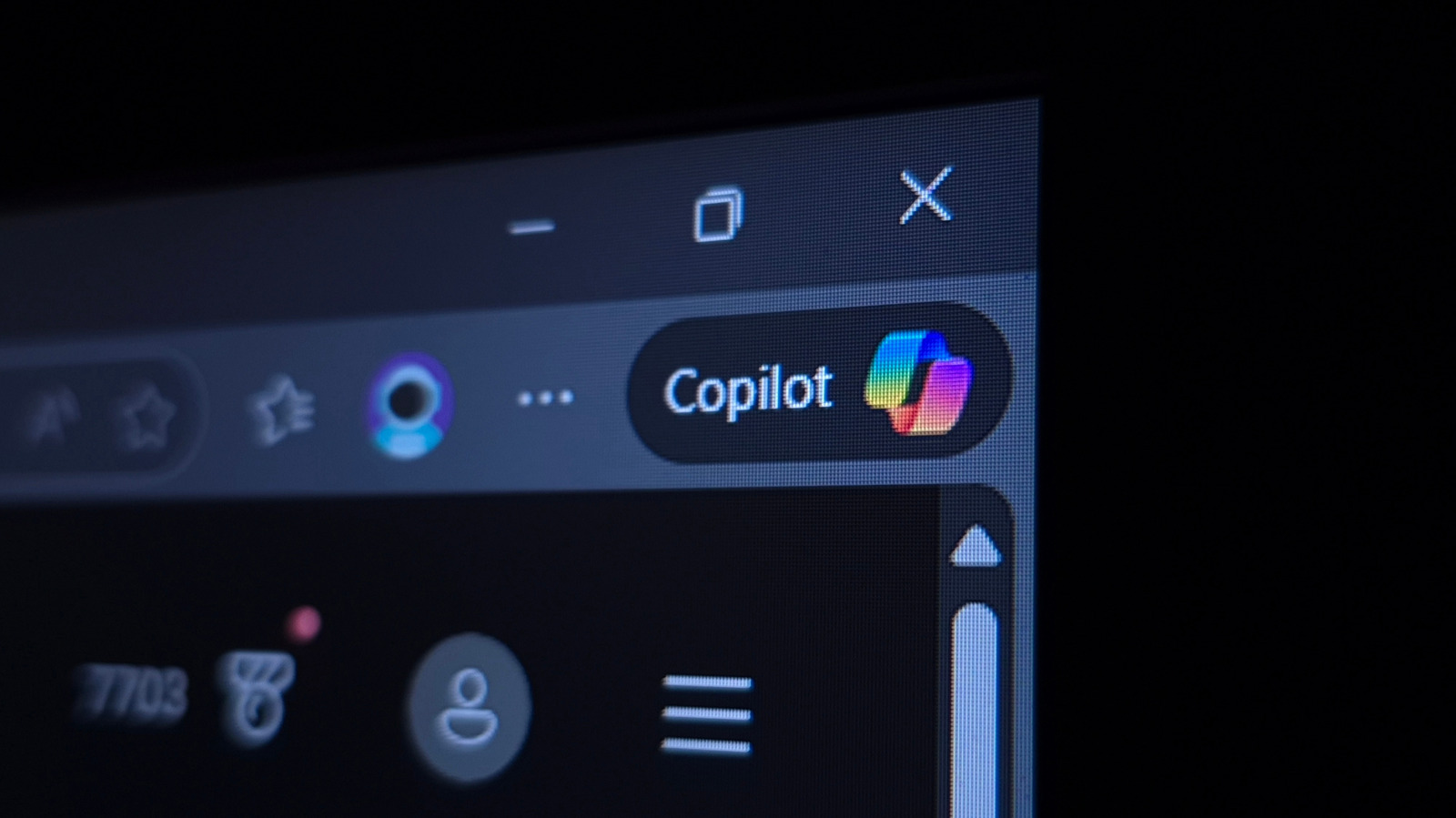
Microsoft has been at the forefront of AI integration in its products, particularly within the Windows operating system. However, user dissatisfaction has led the company to reconsider its approach to the Windows Copilot AI initiative. Many Windows users have expressed frustration over Copilot's intrusive presence, which they feel complicates their experience, especially against a backdrop of frequent system updates and performance issues. This growing backlash has prompted Microsoft to reevaluate its strategy regarding AI features in Windows.
The initial response from Microsoft was one of defiance, with CEO Satya Nadella urging users to embrace the AI changes rather than reject them. Despite this, the rising tide of complaints indicated that the sentiment was not simply a phase but a significant concern among users. Recognizing the urgency of the situation, particularly with competitors like Linux gaining traction, Microsoft has begun to pivot away from its aggressive AI stance.
One of the most notable changes is the removal of the Copilot branding from various applications in Windows. In a recent preview build of Windows 11, the Copilot button was taken out of Notepad, a basic app that users feel should remain uncomplicated. This decision came after reports of security vulnerabilities linked to the Copilot integration, which allowed potential remote script execution. Although the Copilot logo has been replaced with a generic AI tools button, the underlying AI functionalities remain intact, indicating that Microsoft still values AI but recognizes the need for a rebranding effort.
Microsoft's Strategic Shift in Windows 11
In addition to removing Copilot branding from applications like Notepad, Snipping Tool, and Photos, Microsoft is reportedly working on major enhancements to Windows 11. These improvements aim to address user complaints regarding sluggish performance and intrusive update processes. Key adjustments include restoring legacy taskbar functionalities, allowing users to reposition the taskbar and streamlining Windows Update to be less disruptive.
The shifts within Microsoft's leadership have sparked discussions about the company's priorities, especially as the AI sector faces mounting scrutiny regarding profitability amid heavy investments. As the initial enthusiasm for AI tools wanes, Microsoft seems to be recalibrating its focus on user experience and system performance.
Competitive Pressure from Apple
Microsoft's retreat from its AI-centric model is also influenced by competitive pressures, particularly from Apple. The launch of Apple's budget MacBook Neo has intensified competition in the high-end laptop market, challenging Microsoft's dominance in affordable Windows PCs. Users are increasingly drawn to a seamless computing experience, and Apple's cautious approach to AI has allowed it to maintain a strong user base. Unlike Microsoft, which has heavily invested in AI features, Apple has opted for a more restrained approach, focusing on creating a reliable user experience.
As Microsoft navigates these changes, it must ensure that new Windows 11 users, particularly those purchasing budget devices, do not encounter performance issues or excessive advertisements. The company has a history of addressing user dissatisfaction effectively, having previously recovered from the backlash following Windows Vista and Windows 8. However, it remains to be seen how well Microsoft can adapt to current user expectations in an evolving technology landscape.
In conclusion, Microsoft's decision to scale back its Windows Copilot AI initiatives reflects a broader strategic shift aimed at enhancing user satisfaction and system performance. With the competitive landscape evolving, the company is poised to make significant improvements to Windows 11, ultimately striving to provide a more user-friendly experience.
Source: SlashGear News